A budget only works when you can see it. Budget printables turn vague money goals into something you hold, fill in, and check off. For anyone who finds apps cold or confusing, paper planning brings money back to human scale. These tools suit students, families, single-income households, and anyone starting fresh.
This guide covers what budget printables are, why they work, and the 12 trackers worth printing today. Each one solves a specific money problem. Pick the few that match your goals and leave the rest.
What Are Budget Printables?
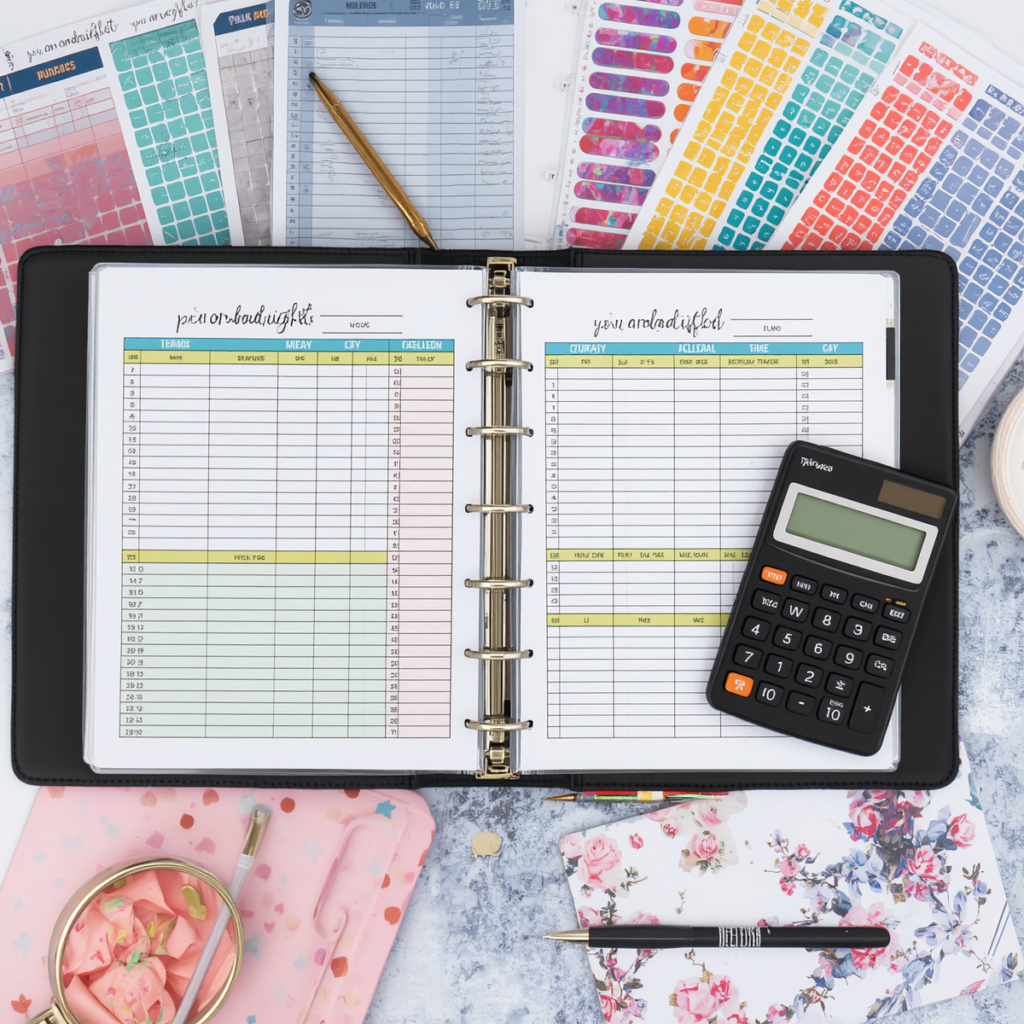
Budget printables are downloadable templates you print and fill in by hand. They cover income, expenses, bills, savings, and debt. Some people slip them into a binder, others stick them on the fridge. The format matters less than the habit they build.
Writing numbers by hand creates focus that tapping a screen rarely matches. You feel each dollar leave. That awareness is the whole point, and it explains why so many people stick with paper long after apps get deleted.
Why Budget Printables Actually Work
Three reasons explain their staying power. They are visual, they are tactile, and they are free. You see your whole month on one page, you physically engage with the numbers, and you spend nothing to start.
- Visibility — your full financial picture sits on one sheet
- Accountability — handwriting each entry slows impulse spending
- Zero cost — print at home and start the same day
- Flexibility — mix and match trackers for your exact goals
Studies on goal setting show that written goals get reached more often. Budget printables apply that same principle to money. The simple act of writing it down moves you closer.
The 12 Budget Printables Worth Using
Not every tracker fits every person. Below sits a quick guide to the most useful printables and who each one helps most. Start with two or three and add more as habits stick.
| Printable | Best For | How Often |
| Monthly Budget | Seeing the full picture | Monthly |
| Bill Tracker | Never missing a due date | Monthly |
| Debt Payoff Tracker | Staying motivated | Weekly |
| Savings Goal Tracker | Hitting a target | Weekly |
| Expense Log | Catching spending leaks | Daily |
| Net Worth Sheet | Tracking the big picture | Weekly |
Beyond those six, five more earn their place: a meal-planning budget sheet, a sinking-fund tracker, a no-spend challenge calendar, a paycheck-budgeting worksheet, and a yearly financial goals page. Each tackles one slice of your money life.
How to Set Up Your Budget Binder
Pick a simple three-ring binder and a set of dividers. Group your printables by purpose: income and budget up front, bills and spending in the middle, savings and debt at the back. Keep a pen clipped to the cover so updating stays effortless.
- Print the trackers that match your top three money goals
- Fill in your fixed income and recurring bills first
- Set one savings goal and one debt goal to track
- Update the binder on the same day each week
- Review the full month before the next one begins
Tip: Update your binder right after payday, while the numbers are fresh and the motivation is high.
Common Mistakes to Avoid
The biggest mistake is printing too many trackers at once. A thick binder you never open helps no one. Start small. Two well-used sheets beat twelve abandoned ones.
The second mistake is forgetting to review. Filling in numbers is half the work. Looking back at the month, spotting the leaks, and adjusting is where the real progress happens. Budget printables reward the people who revisit them.
Your First Step Today
Choose one goal that matters most right now. Maybe it is paying off a card, building a first emergency fund, or simply seeing where the money goes. Print the matching tracker and fill in today’s numbers.
Momentum builds fast once paper meets pen. Budget printables hand you a clear, free, repeatable system. The only thing left is to start, and the best moment is right now.
Moniply AI Coach Upgrade
Turn budget printables into a simple money system
Budget printables work best when they are not treated as decoration. Use them as a weekly check-in system: plan the month, track what actually happened, then adjust before small overspending becomes a bigger problem.
Your next action plan
- Choose one monthly budget printable and one bill tracker first.
- Fill the printable before the month starts, not after spending begins.
- Mark bills as paid the same day you pay them.
- Compare planned spending with actual spending once per week.
- Move repeated overspending categories into your next month budget plan.
AI Coach Tip: Paper planning plus digital tracking works best
Use a printable for clarity and the Moniply dashboard for calculations. The printable gives you focus; the dashboard shows whether your plan is actually balanced.
Turn this article into a monthly budget
Start with income, fixed costs, flexible spending, and one savings target. Then review your numbers in the dashboard.
Get the Moniply AI Finance Coach app
Moniply is building an Android app that turns budgeting, savings, debt payoff, and money decisions into simple AI-guided next steps.

Author: M.Adil
Finance professional and Moniply founder. Moniply helps everyday people use simple tools, practical guides, and AI-style money coaching to budget, save, and make calmer financial decisions.